- Retaliation
Article Overview

Most California retaliation lawsuits take about one to two years to resolve. Some settle within a few months, while others take longer, especially if they go to trial. If you are a California employee dealing with possible workplace retaliation, knowing that range up front can help you set realistic expectations, plan for each step, and make informed decisions about protecting your rights.
Every case is different, and the timeline depends on things like the strength of the evidence, how cooperative the employer is, and the court’s schedule. Below, we break down the typical stages of a retaliation lawsuit, including filing with the California Civil Rights Department and the discovery process, what can speed a case up or slow it down, and why some patience can strengthen your position.
Overview of Retaliation Case Timelines
Cases That Settle Early (3 to 9 Months)
Some retaliation cases settle quickly, often within three to nine months. Early settlements tend to happen when the facts are clear, the employer is willing to negotiate, and strong evidence supports your claim.
Cases That Settle During Litigation (1 to 2 Years)
Many cases settle during litigation, usually somewhere between one and two years in. That period often stretches because the discovery process involves exchanging evidence, taking depositions, filing motions, and negotiating after the lawsuit is filed.
Cases That Go to Trial (2 Years or More)
If a case proceeds all the way to trial, it can take two years or more to reach a verdict. Trials require extensive preparation and depend on the court’s calendar, both of which add time.
The Stages of a California Retaliation Lawsuit
Free Consultation and Case Evaluation
Your case starts with a free consultation, where we review your situation and evidence like written complaints and witness statements, get an early sense of the value of the claim, and talk through your options. Speaking with an attorney early helps identify the strengths and weaknesses of a case before anything is filed.
Filing With the California Civil Rights Department
Before filing a lawsuit under the Fair Employment and Housing Act (FEHA), you generally must first obtain a right-to-sue notice from the California Civil Rights Department (CRD). In many cases, your attorney can request an immediate right-to-sue notice so the case can move to court without waiting for a full agency investigation. Some claims may instead go through the federal Equal Employment Opportunity Commission, where charges generally must be filed within 180 to 300 days. Retaliation is consistently the most frequently filed charge with the EEOC and has made up more than half of all charges in recent years, so these claims are far from unusual.
Now, not every retaliation claim runs through the CRD. Whistleblower retaliation claims under California Labor Code section 1102.5 generally can be filed directly in court without a right-to-sue notice, which can change the timeline. California also has some of the strongest employee protections in the country.
Filing the Lawsuit and the Employer’s Response
Once the right-to-sue notice is in hand, the lawsuit is filed in court. Retaliation claims often overlap with wrongful termination and discrimination allegations at this stage. The employer then responds, frequently with defenses or motions that can affect the timeline. If the employer refuses to settle or withdraw those defenses, the case moves deeper into litigation.
Discovery and Why It Takes the Longest
Discovery is usually the longest phase, often running several months to more than a year. Both sides exchange records, review company policies, answer written questions, and take depositions. The evidence that matters most in a retaliation lawsuit often surfaces here, including internal documents and comparisons to how other employees were treated.
Mediation and Settlement Negotiations
Most cases settle during or after discovery, through mediation or direct negotiation. This can shorten the overall timeline when both sides are willing to reach an agreement. What a case settles for depends on the evidence, the damages, and the overall strength of the claim. Larger employers are sometimes more motivated to settle once their exposure becomes clear.
Trial and Verdict
If no settlement is reached, the case goes to trial. Trials can last from a few days to several weeks depending on complexity, followed by the verdict.
What Can Make a Retaliation Case Take Longer
Large Employers With Aggressive Defense Teams
Big companies often have experienced legal teams that use delay tactics, which can extend the timeline. That said, some larger employers become more motivated to settle once their exposure is clear.
Disputes Over Evidence and Witnesses
Fights over what evidence is admissible or which witnesses can testify slow things down. Cases with clear documents and credible witnesses usually move more efficiently than cases with conflicting proof.
Court Backlogs in Los Angeles and Orange County
Local court calendars can add delays, especially in busy jurisdictions like Los Angeles and Orange County.
Appeals After a Verdict
If either side appeals the decision, the case can take months or even years long
What Can Speed a Retaliation Case Up
Strong Documentation From Day One
Clear records help build a strong case early. Save written complaints, performance reviews, and any evidence of the adverse action you experienced, such as termination, demotion, pay cuts, schedule changes, or discipline that followed your report.
A Clear Connection Between Your Report and the Retaliation
A short gap between your protected activity and the adverse action supports your claim and can encourage a quicker resolution. When the timing lines up closely, it is easier to show a retaliatory motive.
Working With a Firm That Prepares Every Case for Trial
Employers and their insurers often settle sooner when they know a firm is ready to take the case to trial. Trial-focused preparation improves leverage in negotiations, which matters most in cases involving disputed intent and damages.
Is the Wait Worth It? What Patience Can Mean for Your Case
Quick settlements sometimes come with lower offers that do not fully reflect what you lost. Taking the time to build a case can matter, because a successful retaliation claim may include back pay for lost earnings, front pay when returning to the job is not realistic, emotional distress damages, and in some cases punitive damages.
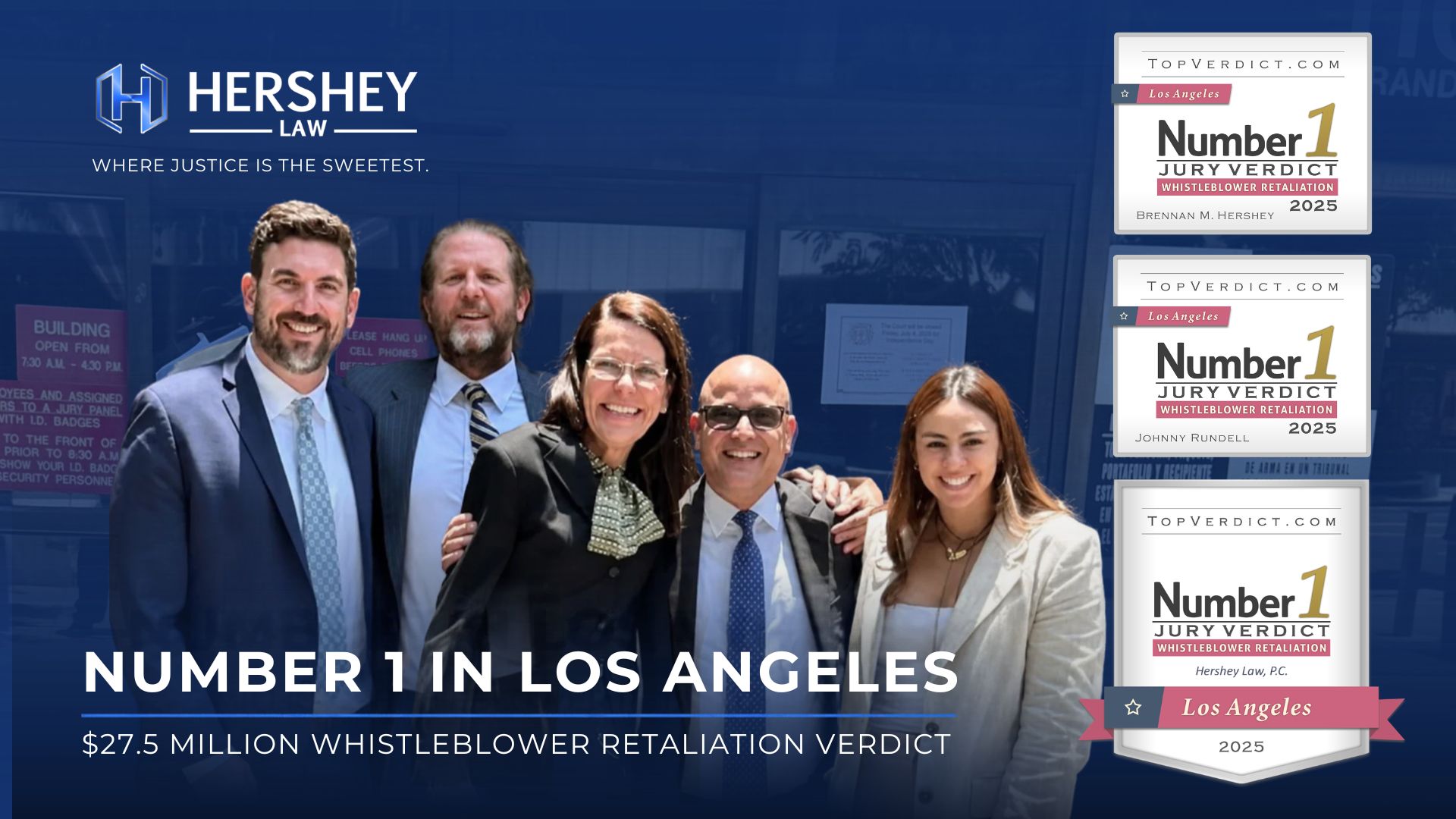
That readiness matters for your timeline too. Employers often move toward a fair settlement sooner when they know a firm will try the case, and our trial experience includes a $27.5 million jury verdict in a whistleblower retaliation case. Past results do not guarantee a similar outcome, and every case depends on its own facts.
How Our California Retaliation Lawyers Can Keep Your Case Moving
We handle your case from start to finish and manage each stage to avoid unnecessary delays. Our trial-ready approach can push employers toward earlier, fairer settlements while we prepare to fight if that is what your case needs.
FAQs About Retaliation Claims and Lawsuit Timelines
How Long Do I Have to File a Retaliation Claim in California?
Under FEHA, you usually have three years to file a retaliation complaint with the California Civil Rights Department. If the claim involves federal law through the EEOC, the deadline is often much shorter, commonly 180 to 300 days. Whistleblower claims under Labor Code 1102.5 have their own deadlines, so it is best to get legal advice early.
Can My Case Settle Before a Lawsuit Is Even Filed?
Yes. Many cases settle before a lawsuit is filed, especially when the evidence is strong and the employer prefers to avoid litigation.
Does Going to Trial Always Take Longer?
Usually, yes. Trial adds preparation, motions, and court scheduling, which often extends the timeline by at least several months compared to settling earlier.
Do I Get Paid While My Lawsuit Is Pending?
You do not receive wages from your employer during the lawsuit, but compensation for lost wages and other damages can be part of your recovery if your case succeeds.
Request a Free Consultation With a California Trial Employment Lawyer
Time matters in retaliation cases, and deadlines can pass quickly. This page is general information and does not constitute legal advice, so please get advice about your specific situation. Call us today at 818-962-0445 or request a free consultation online.
Recent Posts